Local life · Coquitlam, British Columbia
Published
Coquitlam winter tires: separate the legal minimum from the hill you drive
Choose tires for your actual Coquitlam route and any planned mountain travel. All-weather, all-season and dedicated winter tires are different choices. British Columbia’s posted winter-route rules set a minimum, but a legal marking does not promise safe grip on every steep or icy street.
Facts checked
In this story
Start with the trip, not the badge on the vehicle
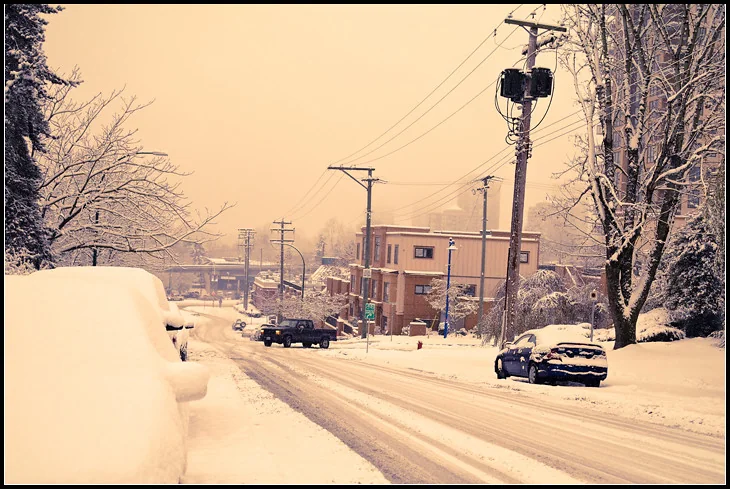
Living on a hill changes the tire conversation. Start with the roads you actually use and whether trips can wait, then compare all-weather and dedicated winter tires rather than relying on the vehicle’s badge.
A February 2025 Coquitlam discussion asked whether all-weather tires would suit short local errands. Many replies liked them, while others preferred dedicated winter tires for frequent mountain or interior travel. A useful correction in the thread separated all-weather from ordinary all-season tires.
Replies also differed on rain grip and snowy hill performance. Those experiences help frame questions for an installer. They do not establish that one named tire is best for every vehicle or every street.
Coquitlam’s hills make this a more personal choice than reading a tire label in a shop. A November 2022 discussion described vehicles unable to climb and an emergency vehicle delayed behind them. Replies split between dedicated winter tires, all-weather tires and confidence in driving skill. The incident details are not independently verified here, but the underlying choice is real: what equipment suits the hills and journeys you cannot easily avoid?
Source: British Columbia: winter tires and chains
Source: Coquitlam Reddit: All weather tires for snow, February 3, 2025
Source: Coquitlam Reddit: hills and tire choices, November 30, 2022
Check the markings and condition
BC’s designated-route page says winter tires or chains are required on most provincial routes from October 1 through April 30, with selected routes ending March 31. These requirements are already in season. Many coastal Lower Mainland roads are outside the designated network, so use the posted signs and provincial route map for the actual journey. The tire rule requires an accepted marking and at least 3.5 millimetres of tread.
Ask a qualified installer about your vehicle’s size, load requirements and a matched set. Age, wear and condition matter as well as the symbol. Do not use one driver’s successful hill climb as a test of your own car.
The strongest practical distinction is between all-season and all-weather. BC accepts the M+S marking as a legal minimum on designated routes, with at least 3.5 millimetres of tread, while recommending Mountain Snowflake tires for better cold-weather traction. Some all-weather tires carry that symbol and stay on the vehicle year-round. A matching legal mark is a minimum rule, not a measured comparison of every model’s performance on your street.
Source: BC: designated winter-tire and chain routes
Keep a plan for a worse morning
Price the installed set, storage and any separate wheels together. If you only need local trips, explain that. If you expect to visit mountain routes, explain that too. A quote based on the wrong use can save money at the cost of a poor fit.
Even a suitable winter setup does not remove ice or improve visibility. Allow more time and space. Choose postponement or another permitted travel option when conditions exceed what you and your vehicle can handle.
Storage and cost were major reasons readers considered one year-round set. Others preferred dedicated winters and described better stopping or more confidence. Brand experiences disagreed, including complaints about wet-weather performance. Tell the installer about steep home access, early work shifts and mountain travel, then compare an installed four-tire package with any wheels, seasonal changes and storage. That produces a more useful number than comparing tire-only sale advertisements.
Also decide when you will leave the car at home. One older reply preferred a longer, flatter way back instead of the usual hilly shortcut. That is sensible route planning, but no alternative is guaranteed open or ice-free. Tires and driving choices work together. If the trip can wait, a cancelled errand may be the best result of good preparation, rather than a sign that buying winter equipment was pointless.
Source: Coquitlam Reddit: All weather tires for snow, February 3, 2025
Questions people ask
Where do BC’s winter-route requirements apply?
On designated routes with the relevant signs and seasonal dates.
Source: British Columbia: winter tires and chains
What minimum tread depth does BC specify?
3.5 millimetres.
Source: British Columbia: winter tires and chains
Do all-season and all-weather mean exactly the same thing?
No. Check the actual marking and tire specification.
Source: British Columbia: winter tires and chains
Which winter-tire markings does BC accept on designated routes?
The Mountain Snowflake symbol or M+S marking, with at least 3.5 millimetres of tread. The Mountain Snowflake tire is recommended for better winter traction.
Source: British Columbia: winter tires and chains
Should I tell the installer about mountain trips?
Yes. Your full intended route affects the choice.
Source: British Columbia: winter tires and chains
When do designated BC winter-route requirements apply?
They start October 1 and generally run through April 30; some designated routes end March 31. Follow the route’s regulatory signs and provincial map.
Source: BC: designated winter-tire and chain routes
Does tire age matter even with tread left?
Have condition and age assessed by a qualified installer.
Source: British Columbia: winter tires and chains
Should I compare the fully installed price?
Yes. Include the services and storage you actually need.
Source: British Columbia: winter tires and chains
Does AWD remove the need for suitable tires?
No. Follow the vehicle and official winter-driving requirements.
Source: British Columbia: winter tires and chains
What should I do when conditions exceed my plan?
Postpone a non-essential trip or use another safe, permitted travel option.
Something changed? Tell us about a correction.