Local life · Coquitlam, British Columbia
Published
Turtles at Lafarge Lake: Wildlife, Habitat and Responsible Watching
Turtles are part of Lafarge Lake’s documented wildlife, but individual species and origins need proper identification. Watch from a distance, do not feed or release pets into the lake, and use conservation guidance for a sighting or an animal needing help.
Facts checked
In this story
A lake walk with another life beneath it
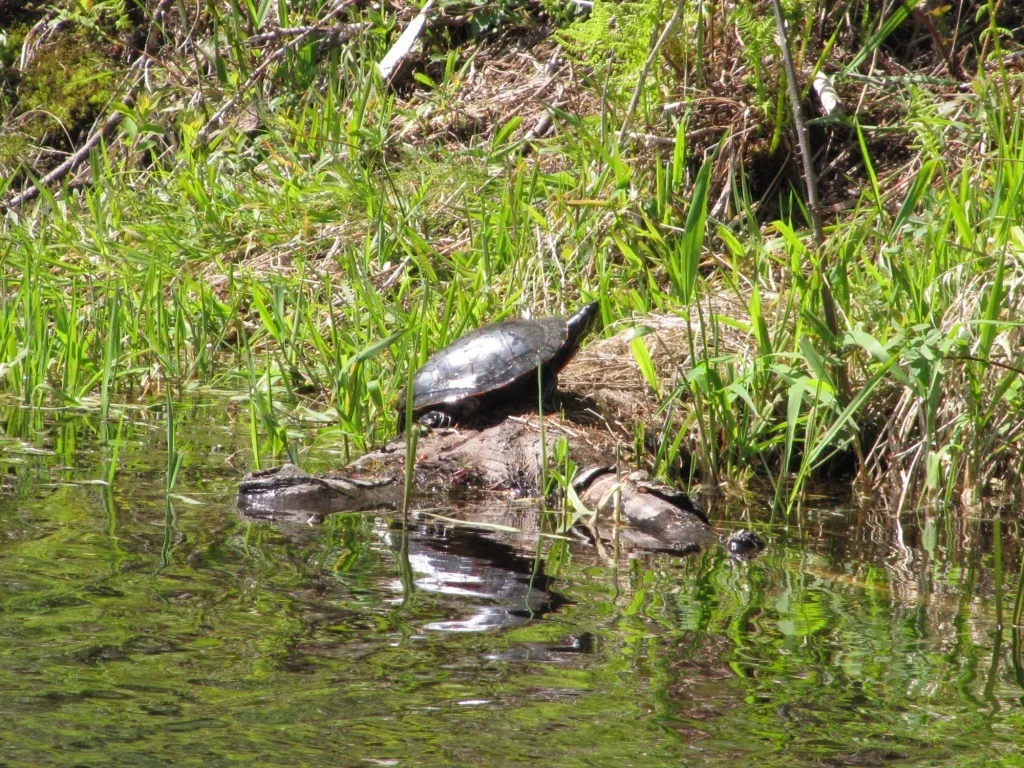
A turtle does not do much for an audience. It sits, considers sitting somewhere else and may eventually do so. This has never seriously harmed its appeal. Around Lafarge Lake, seeing one can turn a routine loop into a much slower walk, with several people suddenly taking an intense interest in the same piece of shoreline.
Turtles are part of the lake’s documented wildlife, not simply an online novelty. Coquitlam’s own historical account of Town Centre Park identifies the man-made lake as home to trout, ducks and turtles. That establishes their place in the landscape without identifying every photographed animal or explaining how a particular turtle arrived.
That distinction matters because species, habitat and the history of released pets are different questions. A sighting can be delightful without supplying all three answers. Enjoy the animal you can see, but leave an uncertain identity uncertain rather than attach a confident backstory to a shell in the distance.
Source: City of Coquitlam: Town Centre Park and Lafarge Lake
Source: City of Coquitlam: Town Centre Park and the 1991 B.C. Summer Games
Source: Residents notice turtles at Lafarge Lake
The shell is the obvious part
Coastal Partners in Conservation’s painted-turtle work shows why identification and habitat matter. Its project began with assessing coastal populations and the pressures around them. Suitable nesting ground, places to bask and the survival of young turtles are connected pieces, not decorative extras around the water.
The group describes restoration, nest monitoring and carefully managed releases with conservation partners. That work is very different from putting an unwanted pet into a public lake. Its list of continuing threats includes competition from invasive slider turtles, as well as pollution, habitat damage and predation. A release can feel kind in the moment and still create a problem that other people spend years trying to repair.
For somebody enjoying a turtle from the shore, none of this requires becoming a biologist before finishing a walk. It does require resisting the urge to touch, feed or move an animal simply because it is visible. A wild creature has not requested help by failing to hide from a phone camera.
Source: Coastal Partners in Conservation: Coastal Painted Turtle Project
The lake itself is a constructed piece of city history
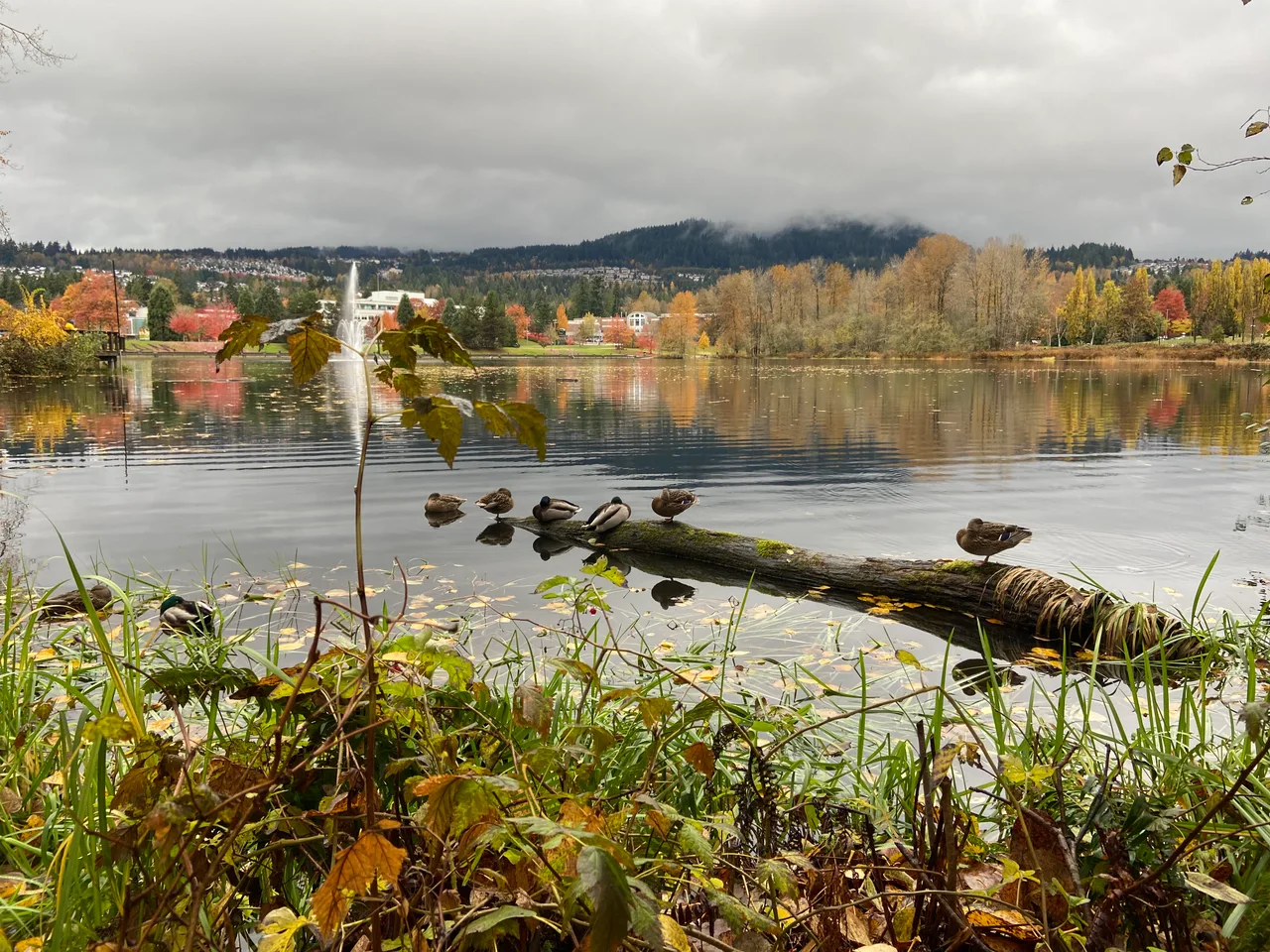
Town Centre Park grew from former gravel-pit land, developed as Coquitlam prepared for the 1991 B.C. Summer Games. The city’s archive account describes the land contribution from Lafarge and the later growth of the park into a major public place. That makes the lake a useful example of wildlife using a landscape people deliberately remade, rather than a secluded waterbody unaffected by the city around it.
The roughly 1.2-kilometre lake loop is a reason to visit even when a turtle does not appear. Separate a past sighting from the conditions of the day, particularly in November. A walk can still reveal habitat, seasonal changes and the contrast between busy paths and quieter water. Turning the outing into a guaranteed turtle hunt would make a disappointing promise and encourage exactly the persistence wildlife does not need.
Source: City of Coquitlam: Town Centre Park and the 1991 B.C. Summer Games
Source: City of Coquitlam: Town Centre Park and Lafarge Lake
A useful sighting needs useful information
A useful wildlife observation records what was actually seen: a clear photograph taken from a distance, a date and a location. Coastal Partners in Conservation links sighting-reporting routes alongside its project information. Check the current reporting instructions for the situation rather than treating every basking turtle as an emergency or assuming a remembered social-media rule applies to every species.
An animal resting by water, an injured turtle and one in immediate danger on a road are different situations. The appropriate response should come from a qualified wildlife organisation’s advice, especially before handling or moving an animal. A well-meant intervention can become another disturbance when the animal needed only to be left alone.
Nor should a November visit be sold as a guaranteed turtle outing. The photograph that prompted the local excitement was a past sighting, not a live report from the lake today. A worthwhile walk can include noticing where wildlife lives even when the wildlife has declined to attend.
The pleasure survives all these qualifications. There is something cheering about finding an unexpectedly old-fashioned animal carrying on beside a busy city centre. It is also a good test of our manners. Take the photograph, enjoy the surprise and leave the turtle in possession of its afternoon. A creature that has mastered doing very little should not have to spend its day managing us.
Source: Residents notice turtles at Lafarge Lake
Source: Coastal Partners in Conservation: Coastal Painted Turtle Project
Source: Coastal Partners in Conservation: reporting sightings
Find the park
Lafarge Lake at Town Centre Park
1299 Pinetree Way, Coquitlam, British Columbia
Use designated paths and respect protected habitat areas.
Source: City of Coquitlam: Town Centre Park and Lafarge Lake
More place details
Source: Compare these places in Resources
Source: Residents notice turtles at Lafarge Lake
Questions people ask
Have people seen turtles at Lafarge Lake?
Yes. Residents have shared photographs and recollections of sightings. That does not guarantee a sighting on a particular visit.
Source: Residents notice turtles at Lafarge Lake
Should I identify and record a turtle before reporting a sighting?
A clear photograph taken without disturbance, the date and location can make a report more useful. Check the conservation organisation’s current instructions rather than guessing a species from a distant shell.
Source: Coastal Partners in Conservation: reporting sightings
Are all lake turtles abandoned pets?
The discussion does not establish that. Avoid assigning a single origin to animals without verified identification and records.
Source: Residents notice turtles at Lafarge Lake
What does the painted-turtle project do?
It combines population research, habitat work, monitoring and managed recovery work with conservation partners.
Source: Coastal Partners in Conservation: Coastal Painted Turtle Project
Why are basking logs important?
The conservation project includes basking habitat as one of the features turtles need. Leave installed habitat undisturbed.
Source: Coastal Partners in Conservation: Coastal Painted Turtle Project
Is releasing a pet the same as conservation release?
No. Managed conservation releases form part of an expert project. Unwanted pets should not be released into public habitat.
Source: Coastal Partners in Conservation: Coastal Painted Turtle Project
Can invasive turtles affect native turtles?
The project identifies competition from invasive slider turtles among continuing conservation threats.
Source: Coastal Partners in Conservation: Coastal Painted Turtle Project
Where can I check how to report a sighting?
Use Coastal Partners in Conservation’s reporting and project pages for its current route and instructions.
Source: Coastal Partners in Conservation: reporting sightings
What information is useful to record?
A clear, undisturbed photograph with date and location helps distinguish an actual observation from a recollection. Check the receiving organisation’s requirements.
Source: Coastal Partners in Conservation: reporting sightings
Will I see turtles at Lafarge Lake in November?
The source is a past sighting, not a forecast. No particular November sighting is promised.
Something changed? Tell us about a correction.